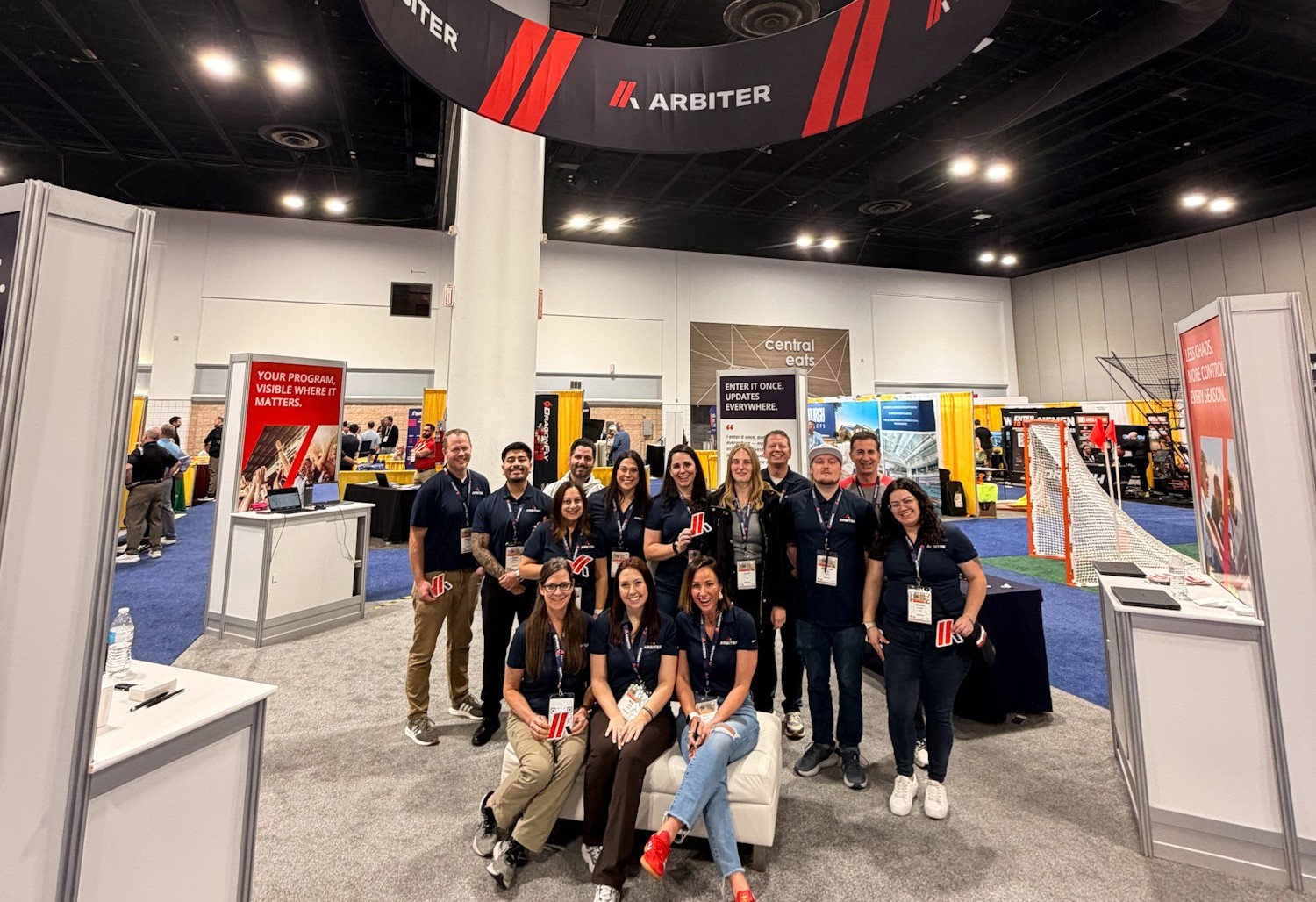
By Kelly Schoen, Marketing Director
Updated December 2025
Each year, the National Athletic Directors Conference & Exhibit Show (NADC) offers a valuable pulse check on what athletic and activities leaders across the country are navigating. This year, the conversations revealed something important: schools aren’t just evaluating individual tools anymore — they’re reassessing how their entire athletic department operates.
Across discussions with athletic directors, assistants, state leaders, and district staff, one theme surfaced again and again: complexity has reached a breaking point.
The Push Toward Fewer Systems Is Real
School leaders are actively trying to simplify.
At NADC 2025, many conversations began with a specific need — scheduling, registration, payments, facilities, fan engagement, or communication — but quickly expanded into broader discussions about how these functions work together day to day. Schools are feeling the strain of managing multiple vendors, disconnected systems, and manual handoffs across teams.
Athletic departments don’t operate in silos, and the tools that support them shouldn’t either.
Increasingly, schools are evaluating technology through the lens of the entire athletic department — looking for ways to reduce duplication, improve visibility, and support everyone involved, from athletic directors and assistants to facilities teams and families.
What Schools Want Instead: A More Connected Athletic Department
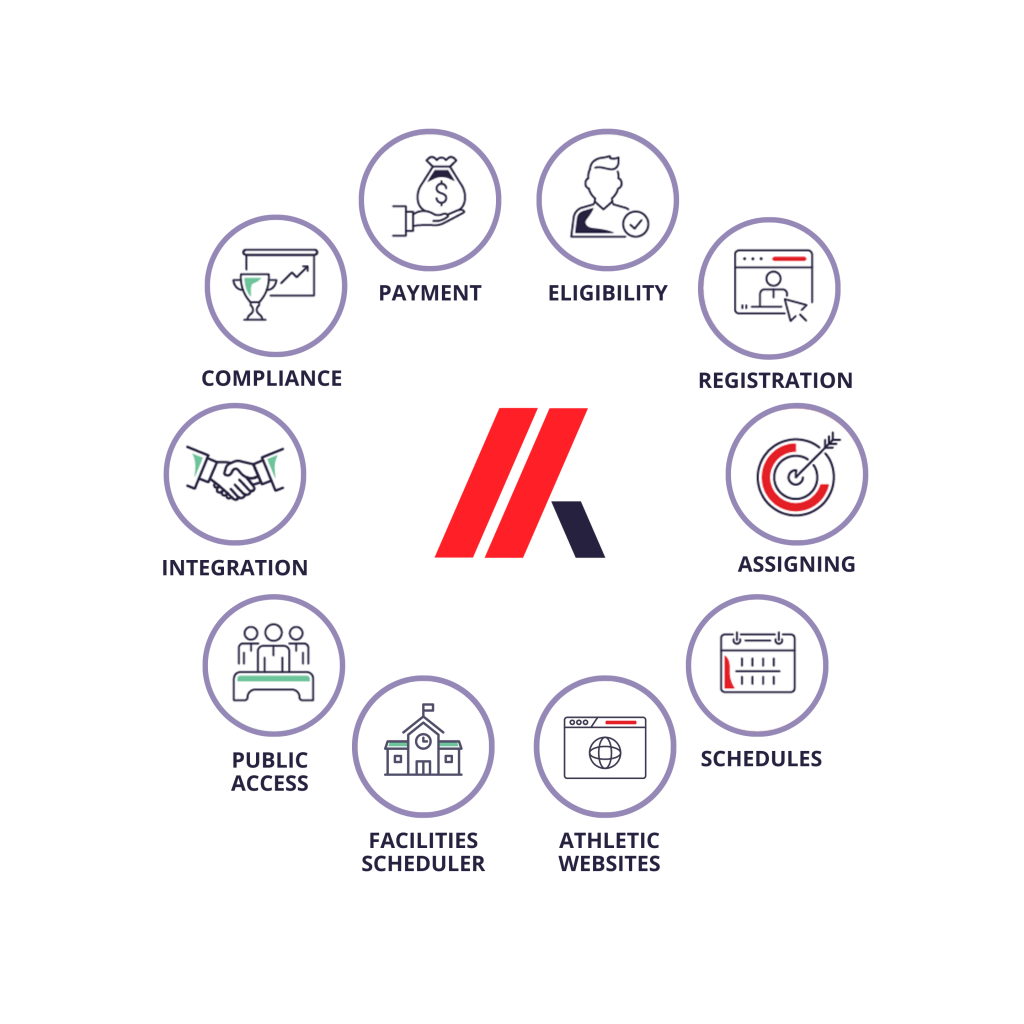
Rather than adding yet another tool, schools are looking for solutions that bring core functions together in one place.
At NADC 2025, leaders asked how scheduling, registration, payments, facilities scheduling, and athletic websites could work together — without duplicating work or creating additional administrative overhead. They want fewer systems to manage, fewer logins to maintain, and fewer gaps between teams.
This shift is driving interest in platforms that support the full scope of athletic department operations — not just isolated tasks.
Arbiter is the platform designed for how athletic departments actually operate. It brings together every core function in one connected platform.
Why Training, Support, and Communication Matter
Technology alone isn’t enough — and schools were clear about that.
Requests for webinars, group trainings, and clear communication plans came up frequently, particularly from assistants and staff responsible for day-to-day execution. Schools want to understand not only what tools do, but how change impacts their role and their workflow.
Successful adoption depends on more than setup. It requires clear guidance, accessible resources, and real people available to support teams before, during, and after implementation.
With these expectations in mind, it’s no surprise that questions about timing and transition followed.
How Change Fits Into the Bigger Picture
Once conversations moved to consolidation and support, questions about transition naturally surfaced.
These discussions weren’t driven by resistance or concern — they reflected thoughtful planning. Schools asked practical questions such as:
- When changes occur
- What information carries over
- How teams can get familiar before peak seasons
- What training and support look like throughout the process
Many leaders shared that early access and spring onboarding help teams feel confident heading into the busiest times of year. Change, when paired with clarity and preparation, becomes far more manageable.
Where Administrative Complexity Shows Up Most
Day-to-day administrative burden remains a major pressure point.
Registration and payments, in particular, surfaced repeatedly as areas where disconnected systems create unnecessary work. Even when payments weren’t the initial topic, questions about activity fees, transaction handling, and payment workflows quickly became part of the conversation.
Schools are increasingly evaluating tools based on how well they work together — especially in areas where families, staff, and finance teams intersect. Reducing friction across these workflows is a key driver behind consolidation efforts.
Trust Is Built Through People, Not Just Platforms
One of the most encouraging takeaways from our conversations, was how often schools referenced positive support experiences.
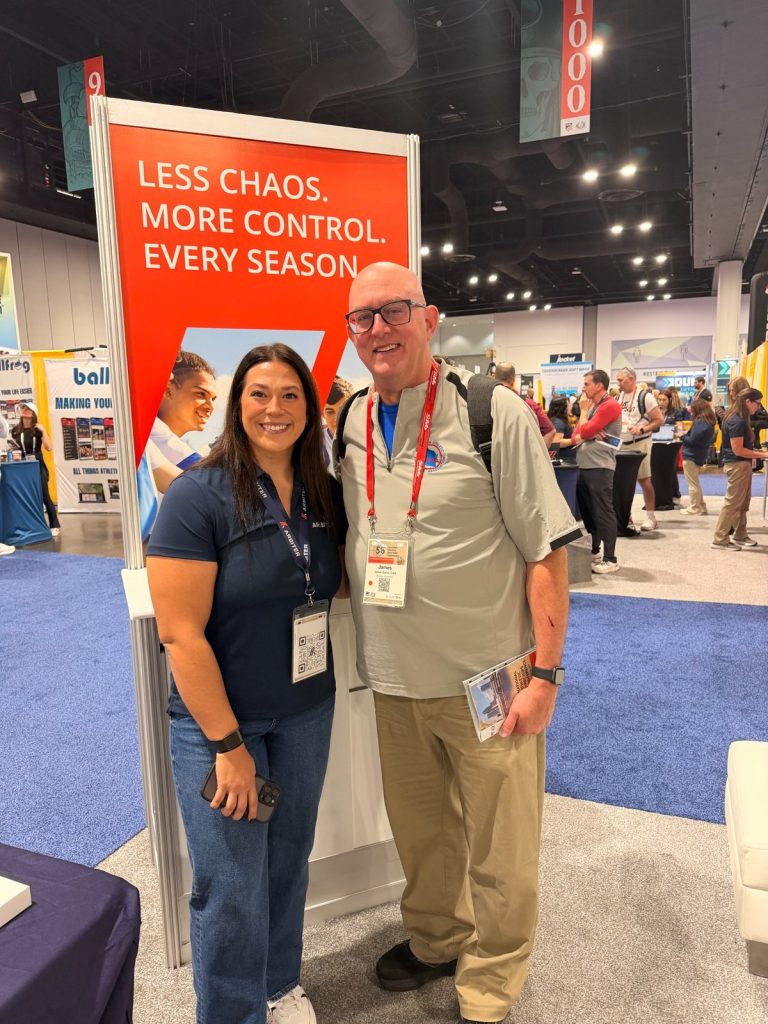
Many conversations included mentions of account managers, support teams, and previous interactions that made schools feel confident moving forward. In times of change, knowing there are real people available — who understand school environments and follow through — builds trust and momentum.
That trust is foundational to a long-term partnership.
What Comes Next
The conversations at NADC 2025 reinforced what we see every day: schools want fewer systems, clearer communication, and partners who help them move forward without adding complexity.
As the year continues, our focus remains on:
- Supporting schools with clear, transparent transition resources
- Expanding training opportunities for athletic departments and staff
- Providing consistent, reliable support at every stage
- Helping schools manage their entire athletic operation in one connected place
We’re grateful to everyone who took the time to connect, ask questions, and share what’s top of mind. These conversations continue well beyond the conference — and they shape how we support schools every day.
Additional Resources
For schools looking to explore next steps or learn more about their migration:
🔗 BigTeams Customers: Migration & Transition Resources
Clear timelines, FAQs, and training resources
👉 BigTeams Migration Hub
🔗 rSchoolToday Customers: Migration Information & Support
Guidance and support resources for rST customers
👉 rST Migration Hub
Interested in learning more about how schools are managing athletics in one connected place?
Explore Arbiter solutions →
About the Author
Kelly, raised by a longtime educator, having played and coached sports in high school, and now raising a collegiate athlete, brings a firsthand understanding of how K-12 schools, athletics, and families intersect every day.